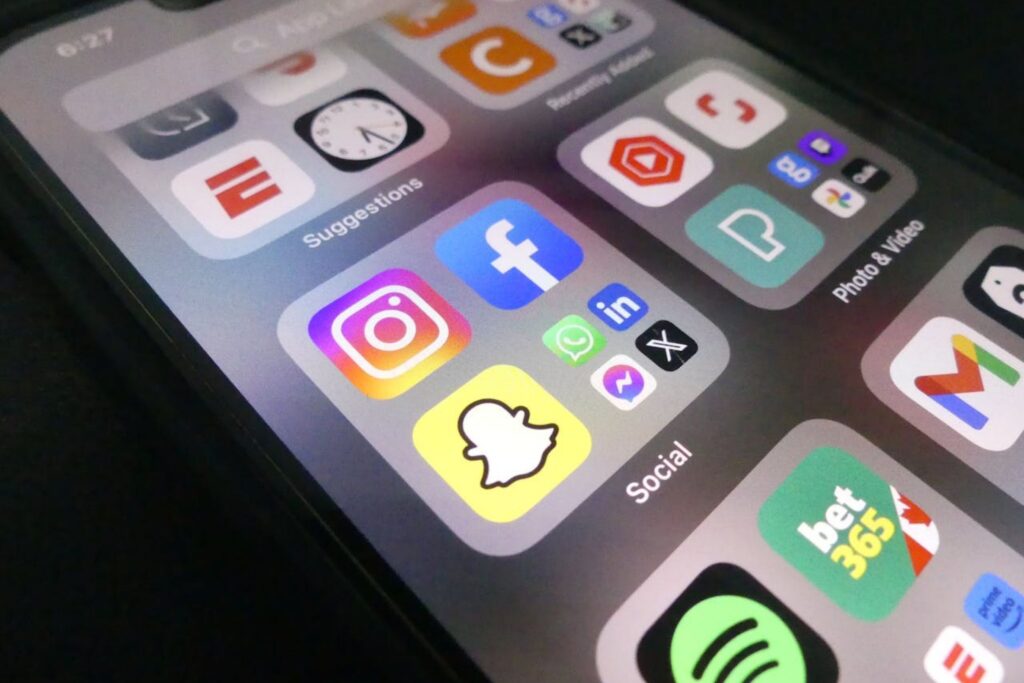
The screenshot used to be the street photo of the internet. Blurry, imperfect, a little embarrassing, but basically reliable. Now it is a costume. Now it is a weapon. And Snapchat, with its already slippery relationship to permanence, is the perfect stage for a new kind of lie: the chat that never happened.
You have seen the format a thousand times. A gray bubble, a blue bubble, the tiny timestamp. A streak emoji if the person wants it to feel intimate, a “Delivered” line if they want it to feel official. The details do the dirty work. The message can be absurd, or cruel, or conveniently incriminating. The screenshot arrives with a simple caption: “Look what they said.”
The friction is gone
It is not hard to fake a conversation. It is easy in the way that should make your stomach drop. You do not need Photoshop skills. You do not need to know how Snapchat stores metadata. You just need a tool that makes the interface look right, and a few minutes to type whatever story you want. Sites like fake snapchat screenshot aren’t shy about it. They offer templates across nearly every major platform, not just for hoaxes, but for memes, pranks, film props, UX wireframes, social media skits, classroom examples, storyboarding, and content marketing. All of that is true, and also beside the point. A hammer can build a house, sure. A hammer can also break a window on purpose.
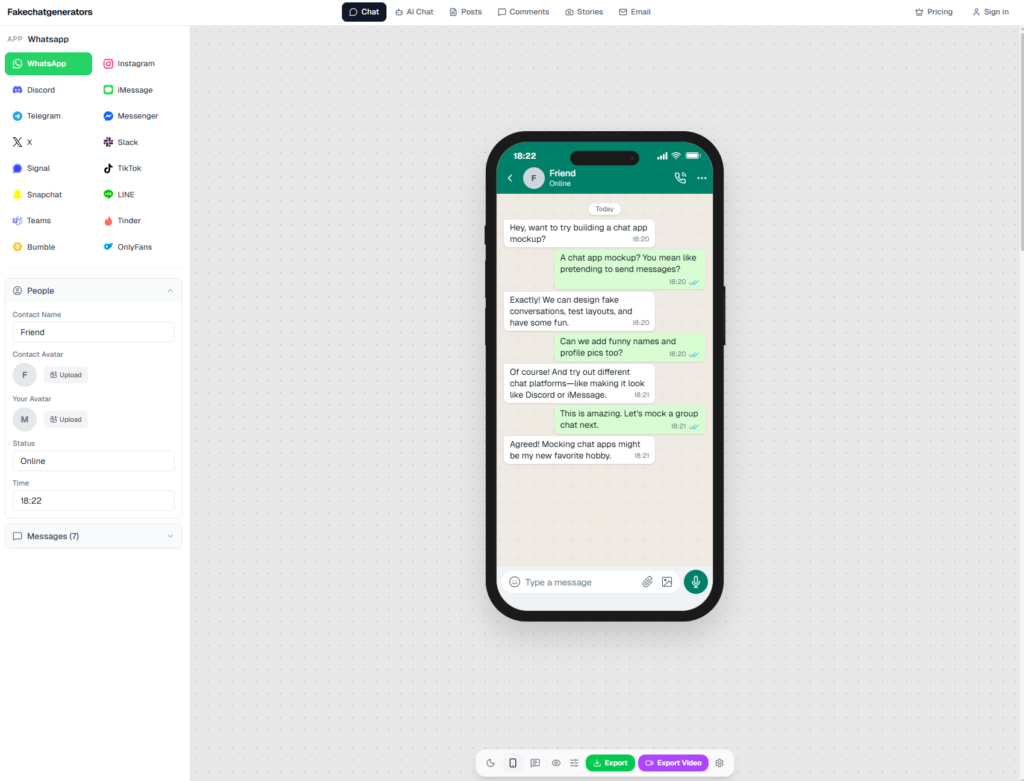
fakechatgenerators.com lets you mock up chat screenshots across 16 platforms
The bigger issue is what happens when the barrier to forgery drops to zero. People do not become more honest when lying gets cheaper. They become faster.
Snapchat’s disappearing act makes it worse
Snapchat is already a platform where “proof” evaporates. Messages vanish. Notifications are inconsistent. The whole vibe is plausible deniability, which is great for flirting and awful for accountability. When someone brings you a screenshot of a supposedly disappearing chat, your brain does a little shortcut: maybe this is the only record they managed to save. Maybe it is the truth that survived.
That shortcut is now being exploited, constantly.
A forged Snapchat screenshot doesn’t have to be perfect. It only has to be believable long enough to do damage. Long enough to get someone suspended. Long enough to blow up a relationship. Long enough to spark a pile-on in a group chat where nobody wants to be the person asking, “Are we sure this is real?”
The new literacy: distrust by default
We used to teach media literacy as a lofty civic skill. Now it is personal hygiene. If your friend forwards a screenshot, the question is not “Would they lie?” The question is “Could this be faked without them knowing?” Because that is the twist. The screenshot might be forged by the sender, by someone they are fighting with, or by a third party who just enjoys lighting fires.
So what do you do?
Start with the basics: ask for context that is harder to counterfeit. A screen recording that scrolls through the chat thread. Multiple screenshots that include different parts of the interface. Device details that match the person’s phone. Even then, remember that “harder” is not “impossible.” The point is to slow the story down.
And when the stakes are higher than gossip, schools, employers, journalists, legal teams, you need tools that treat images like evidence, not vibes. That is where an ai image detector earns its keep, especially one that claims 98.7% detection accuracy across 50+ generative models and sub-150ms latency, with checks for AI-generated media, NSFW content, violence, and document tampering. You do not outsource judgment to a machine, but you can use a machine to spot the fingerprints your eyes will miss.
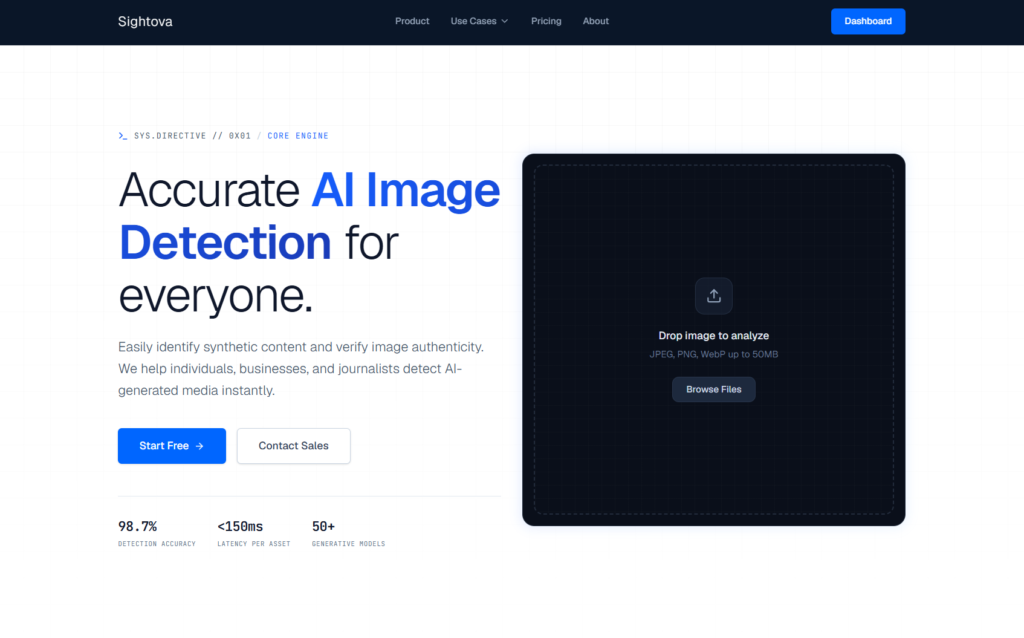
sightova.com flags AI-generated, tampered, NSFW, and violent imagery in milliseconds
The cost of “just a screenshot”
The real problem is not that people can fake Snapchat messages. The real problem is that we still act like screenshots are neutral. They are not. They are narrative devices, neatly framed, cropped to steer you, timed to land when you are tired and reactive.
Snapchat taught a generation that messages can disappear. The internet is teaching the next lesson: truth can disappear, too, unless you insist on holding it still long enough to examine it.